
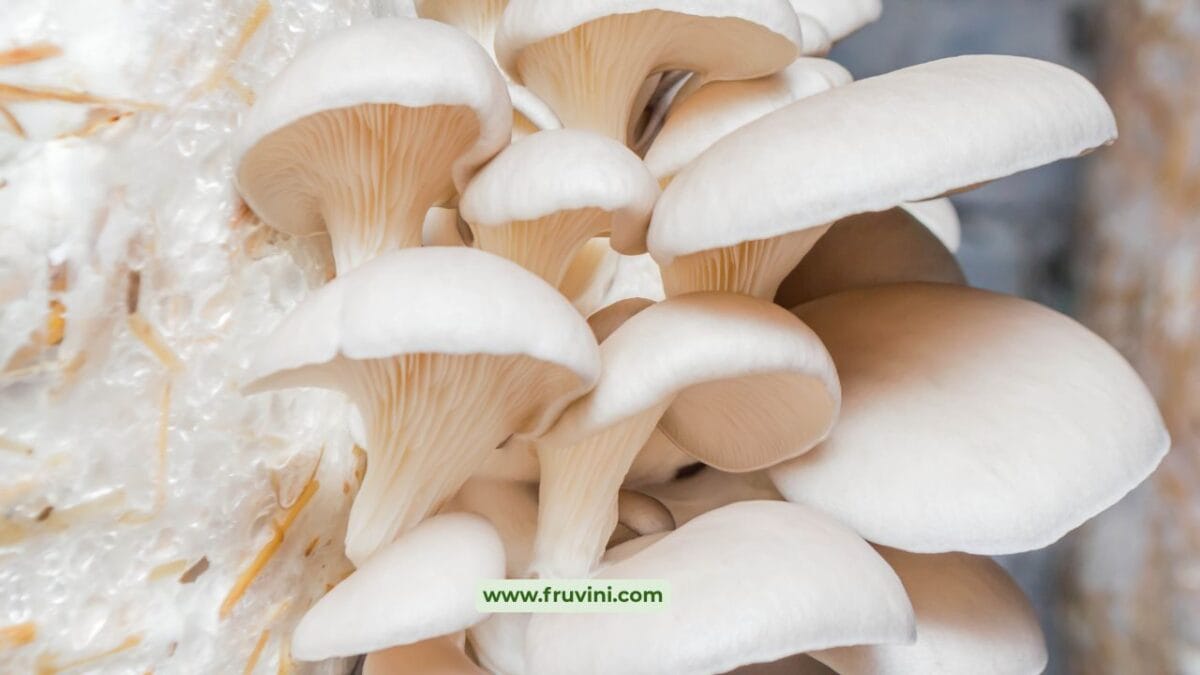
How to start mushroom farming at home is a question more and more people are asking today—and for good reason. With rising demand for healthy, organic food and the need for low-investment income opportunities, mushroom farming has become one of the easiest and most practical options for beginners.
Unlike traditional farming, you don’t need large land, expensive equipment, or years of experience to get started. Mushroom cultivation can be done in a small room, balcony, or any unused indoor space. With the right setup, you can grow fresh mushrooms within 20–30 days, making it a fast and efficient process.
Another reason behind its growing popularity is the increasing awareness of mushrooms as a nutritious superfood. Rich in protein, vitamins, and antioxidants, mushrooms are widely used in households, restaurants, and health-conscious diets—creating strong and consistent demand in the market.
In this step-by-step guide, you’ll learn exactly how to start mushroom farming at home, including the materials required, growing process, costs, and expert tips to help you succeed—even if you’re a complete beginner.
What is Mushroom Farming?
Mushroom farming, also known as mushroom cultivation, is the process of growing edible fungi under controlled conditions using organic materials like straw, compost, or agricultural waste. If you’re exploring how to start mushroom farming at home, understanding this basic concept is the first step.
Unlike traditional crops that grow in soil and require sunlight, mushrooms grow in a nutrient-rich medium called a substrate. They thrive in environments with controlled temperature, humidity, and minimal light. This makes indoor mushroom farming not only possible but highly efficient—even in small spaces.
At its core, mushroom cultivation involves introducing mushroom spawn (similar to seeds in plant farming) into the prepared substrate. Over time, the mycelium (root-like structure) spreads throughout the material, eventually producing mushrooms that are ready for harvest.
One of the biggest advantages of mushroom farming is its simplicity. With the right setup and basic knowledge, even beginners can successfully grow mushrooms at home without needing advanced farming experience.
Why You Should Start Mushroom Farming at Home
If you’re thinking about how to start mushroom farming at home, understanding the benefits will give you the confidence to begin. Mushroom cultivation is one of the easiest and most rewarding ways to grow food at home, especially for beginners.
1. Low Investment and High Returns
One of the biggest advantages of mushroom farming is that it requires very little initial investment. You don’t need expensive land or machinery—just basic materials and a small indoor space. With proper care, you can start harvesting within weeks, making it a cost-effective option.
2. Requires Very Little Space
You can easily start mushroom farming at home in a spare room, balcony, or even a small corner. Unlike traditional farming, mushrooms grow vertically in bags or containers, allowing you to maximize limited space.
3. Fast Growth Cycle
Mushrooms grow quickly compared to most crops. In many cases, you can harvest your first batch within 20–30 days. This fast turnaround makes it ideal for those looking for quick results or a side income.
4. High Nutritional and Market Value
Mushrooms are rich in protein, vitamins, and antioxidants, which has increased their demand in households, hotels, and restaurants. This growing demand makes mushroom farming at home not just a hobby, but a potential small business opportunity.
5. Eco-Friendly and Sustainable
Mushroom cultivation uses agricultural waste like straw or husk as a growing medium. This makes it an environmentally friendly farming practice that supports sustainability.
Best Types of Mushrooms to Grow at Home
If you’re learning how to start mushroom farming at home, choosing the right type of mushroom is crucial. Some varieties are much easier to grow and require less maintenance, making them perfect for beginners.
Here are the best mushrooms you can grow at home:
Oyster Mushroom (Best for Beginners)
Oyster mushrooms are the most recommended option for beginners. They grow quickly, require minimal care, and adapt well to different conditions.
- Easy to grow and maintain
- Requires less temperature control
- Ready to harvest in 20–25 days
- Ideal for indoor mushroom farming
👉 Best choice if you’re just starting mushroom farming at home.
Button Mushroom
Button mushrooms are widely consumed and have strong market demand, but they require more controlled conditions.
- Needs specific temperature (cool climate)
- Requires compost preparation
- Slightly more complex than oyster mushrooms
👉 Suitable once you gain some experience.
Milky Mushroom (Best for Warm Climate)
Milky mushrooms are perfect for regions with warmer climates, especially in India.
- Grows well in higher temperatures
- Good shelf life
- Attractive appearance and market value
👉 Great option for Indian home growers.
| Mushroom Type | Difficulty Level | Temperature Needs | Time to Harvest |
|---|---|---|---|
| Oyster | Easy | Low to Moderate | 20–25 days |
| Button | Medium | Cool | 30–40 days |
| Milky | Easy-Medium | Warm | 25–30 days |
Basic Requirements for Mushroom Farming at Home
Before you begin learning how to start mushroom farming at home, it’s important to understand the basic conditions required for successful growth. The good news? You don’t need a complicated setup—just the right environment.
Space Required
You don’t need farmland to grow mushrooms. A small indoor space works perfectly.
- A spare room, balcony, or even a cupboard can be used
- Vertical stacking (using racks or hanging bags) saves space
- Ensure the area is clean and not exposed to direct sunlight
👉 Ideal for small scale mushroom farming at home.
Temperature & Humidity
Mushrooms grow best in controlled environmental conditions.
- Temperature: usually between 20–30°C (varies by type)
- Humidity: around 70–90%
- Use a spray bottle to maintain moisture
👉 Consistency is more important than perfection.
Light & Ventilation
Unlike plants, mushrooms don’t need direct sunlight.
- Indirect or low light is enough
- Fresh air is essential for healthy growth
- Avoid completely closed or suffocating spaces
Hygiene & Clean Environment
Cleanliness is critical in mushroom farming.
- Always use clean hands and tools
- Avoid contamination from dust, mold, or bacteria
- Keep the growing area sanitized
👉 Poor hygiene is one of the biggest reasons beginners fail.
Materials Required to Start Mushroom Farming
To successfully learn how to start mushroom farming at home, you need a few basic materials. The good part? Most of these are affordable and easily available, making it simple for beginners to get started without heavy investment.
Here’s what you’ll need:
1. Mushroom Spawn (Seeds of Mushroom)
Mushroom spawn is the most important input—it acts like seeds in traditional farming.
- Determines the quality and yield of your crop
- Always buy from a reliable source
- Different spawn types for different mushrooms
👉 Using high-quality spawn directly impacts your success rate
2. Substrate (Growing Medium)
Mushrooms don’t grow in soil—they grow on organic material called substrate.
- Common options: wheat straw, rice straw, sawdust
- Needs to be cleaned and pasteurized before use
- Acts as the nutrient source for mushrooms
3. Growing Bags or Containers
These are used to hold the substrate and spawn mixture.
- Transparent plastic bags are most commonly used
- Small holes allow mushrooms to grow बाहर
- Easy to handle and space-efficient
4. Water Spray Bottle (For Humidity)
Maintaining moisture is essential for mushroom growth.
- Spray water lightly to keep humidity levels high
- Avoid overwatering (can damage growth)
5. Basic Tools (Optional but Helpful)
These tools can improve your results, especially as you scale.
- Thermometer (to monitor temperature)
- Hygrometer (to track humidity)
- Racks or shelves (for vertical farming)
Step-by-Step Guide on How to Start Mushroom Farming at Home
Now that you understand the basics, let’s go through the exact process of how to start mushroom farming at home step by step. This method is beginner-friendly and works best for oyster mushrooms.
Step 1: Choose the Right Mushroom
Start with oyster mushrooms—they are easy to grow, require less maintenance, and give quick results.
- Ideal for beginners
- Grows in a wide range of conditions
- High success rate
Step 2: Prepare the Substrate
The substrate acts as food for the mushrooms and must be properly prepared.
- Chop straw into small pieces
- Soak in hot water (pasteurization) for 30–60 minutes
- Drain excess water and let it cool
👉 This step helps prevent contamination
H3: Step 3: Inoculation (Adding Mushroom Spawn)
Now mix the mushroom spawn with the prepared substrate.
- Layer spawn and substrate inside the bag
- Ensure even distribution
- Maintain cleanliness during the process
👉 This is where growth begins
Step 4: Fill and Prepare the Growing Bags
Once filled, the bags need to be properly sealed and prepared.
- Tie the bags tightly
- Make small holes for air exchange and growth
- Place them on racks or hang them
Step 5: Incubation Period (Mycelium Growth)
This is the waiting phase where the mycelium spreads.
- Keep bags in a dark, warm place
- Maintain temperature around 20–30°C
- Wait for 10–15 days
👉 Bags turn white when fully colonized
Step 6: Fruiting Stage (Mushroom Growth)
Now mushrooms start to grow.
- Move bags to a space with light and fresh air
- Spray water regularly to maintain humidity
- Small pinheads will start forming
Step 7: Harvesting Mushrooms
Your mushrooms are ready to harvest within a few days of fruiting.
- Harvest when caps are fully grown but not curled
- Twist gently or cut with a clean knife
- Multiple harvests (flushes) are possible
Common Mistakes to Avoid in Mushroom Farming
When learning how to start mushroom farming at home, many beginners fail not because it’s difficult—but because of a few avoidable mistakes. Understanding these early will save you time, money, and frustration.
1. Overwatering the Substrate
One of the most common mistakes is using too much water.
- Mushrooms need humidity, not excess water
- Overwatering can lead to rotting and contamination
- Always spray lightly instead of pouring water
👉 Keep the substrate moist, not soaked
2. Poor Hygiene and Contamination
Mushroom farming requires a clean environment.
- Dirty hands or tools can introduce bacteria or mold
- Contamination can destroy the entire batch
- Always work in a clean space
👉 Hygiene is non-negotiable in mushroom cultivation
3. Ignoring Temperature and Humidity
Environmental conditions directly affect growth.
- Too hot or too cold slows development
- Low humidity can stop mushrooms from forming
- Monitor conditions regularly
👉 Stability matters more than perfection
4. Using Low-Quality Mushroom Spawn
Your results depend heavily on the quality of spawn.
- Poor-quality spawn leads to low yield or failure
- Always buy from trusted suppliers
- Fresh, healthy spawn ensures better growth
5. Lack of Patience
Many beginners expect instant results.
- Mushrooms take time to develop properly
- Disturbing bags too often can affect growth
- Follow the process and be consistent
Cost of Mushroom Farming at Home (Beginner Setup)
If you’re planning how to start mushroom farming at home, one of the first questions is: how much will it cost?
The good news is—you can start small with a very low investment and scale gradually.
Basic Setup Cost (For Beginners)
Here’s an approximate mushroom farming cost breakdown for a small home setup:
- Mushroom spawn: ₹80 – ₹150 per kg
- Straw / substrate: ₹20 – ₹50 per kg
- Plastic bags: ₹2 – ₹5 per bag
- Spray bottle: ₹100 – ₹300
- Miscellaneous (rope, racks, etc.): ₹500 – ₹1500
👉 Total estimated starting cost: ₹1,000 – ₹3,000 (small scale)
Expected Yield and Returns
Returns depend on your setup and maintenance, but here’s a simple idea:
- 1 kg of spawn can produce 2–3 kg mushrooms
- Market price: ₹120 – ₹250 per kg (varies by location)
👉 Even a small setup can generate regular side income
Cost-Saving Tips for Beginners
- Start with fewer bags and scale gradually
- Use locally available agricultural waste as substrate
- Avoid unnecessary equipment in the beginning
- Focus on learning before expanding
Reality Check (Important)
Mushroom farming is low-cost—but it’s not “zero effort.”
- You need daily monitoring
- Mistakes can reduce yield
- Consistency is key to profit
👉 Treat it like a skill, not a shortcut
Is Mushroom Farming Profitable at Home?
If you’re exploring how to start mushroom farming at home, profitability is probably on your mind. The short answer: yes, it can be profitable—but only if you approach it with the right expectations and consistency.
1. Profit Depends on Scale and Consistency
At a small level, mushroom farming can generate a steady side income.
- A few bags → small earnings
- More bags + consistency → better income
- Regular production is key to profit
👉 This is not a one-time harvest—it’s a continuous cycle
2. Strong Market Demand in India
Mushrooms are in high demand due to their health benefits and versatility.
- Used in homes, hotels, and restaurants
- Growing awareness of protein-rich diets
- Increasing demand for fresh and organic produce
👉 Demand is rising faster than supply in many areas
3. Multiple Income Opportunities
You’re not limited to just selling fresh mushrooms.
- Sell directly to local customers
- Supply to restaurants or vendors
- Create value-added products (dried mushrooms, powder)
4. Low Risk, Easy to Start
- No need for large land or heavy investment
- Can start part-time from home
- Loss risk is low if you start small
👉 Ideal for beginners testing a small business idea
Reality Check (Important)
Let’s keep it real:
- Profits are not instant—you need 1–2 cycles to learn
- Mistakes in early stages can affect yield
- Discipline and hygiene directly impact income
👉 Those who treat it seriously make money—others drop out
Tips to Increase Your Mushroom Yield
Once you understand how to start mushroom farming at home, the next step is improving your output. Higher yield means better results from the same effort—and that’s where smart practices matter.
1. Maintain Consistent Humidity
Humidity plays a crucial role in mushroom growth.
- Keep humidity between 70–90%
- Spray water regularly, but lightly
- Avoid letting the environment dry out
👉 Inconsistent moisture = smaller or fewer mushrooms
2. Use High-Quality Mushroom Spawn
Your yield depends heavily on the quality of spawn you use.
- Always choose fresh and reliable spawn
- Strong spawn leads to faster growth and better harvest
- Poor spawn = weak or failed crop
👉 This is one place you should never compromise
3. Ensure Proper Ventilation
Fresh air helps mushrooms grow properly.
- Avoid completely closed rooms
- Ensure airflow without direct strong wind
- Helps prevent long stems and poor-quality mushrooms
4. Monitor Temperature Daily
Temperature fluctuations can affect growth speed and yield.
- Keep it within the ideal range for your mushroom type
- Avoid sudden changes
- Use simple tools like a thermometer
5. Harvest at the Right Time
Timing your harvest correctly improves both quality and quantity.
- Harvest when caps are fully open but not curled
- Late harvesting reduces quality and shelf life
- Regular harvesting encourages more flushes
6. Start Small, Then Scale Smartly
- Focus on learning in your first cycle
- Improve your process before increasing quantity
- Scale only when you achieve consistent results
👉 Growth without learning leads to losses
How Fruvini Supports Your Mushroom Farming Journey
Starting your journey of how to start mushroom farming at home becomes much easier when you have the right guidance and reliable resources. That’s where Fruvini comes in.
At Fruvini, the focus is not just on providing products—but on helping beginners succeed in mushroom cultivation from day one.
1. High-Quality Mushroom Spawn
The success of your farming largely depends on the quality of spawn.
- Carefully prepared and tested spawn
- High success rate for beginners
- Suitable for different mushroom varieties
👉 Better spawn = better yield and fewer failures
2. Beginner-Friendly Guidance
Starting something new can feel confusing—but the right guidance makes all the difference.
- Step-by-step support for beginners
- Practical knowledge, not just theory
- Helps avoid common mistakes early
3. Reliable and Consistent Support
Mushroom farming is a process, and questions will come up along the way.
- Ongoing support during your farming journey
- Help with troubleshooting issues
- Guidance for improving yield over time
4. Built for Beginners and Future Growers
- Start small with confidence
- Learn the process step by step
- Scale into a small business when ready
👉 Fruvini grows with you—not just your mushrooms
Conclusion
Starting your journey of how to start mushroom farming at home doesn’t require a big investment or advanced experience—just the right approach and consistency.
With a small space, basic materials, and a step-by-step process, anyone can begin growing mushrooms successfully at home. Whether your goal is to produce fresh food for your family or build a small side income, mushroom farming offers a practical and sustainable opportunity.
The key is to start small, learn from each cycle, and gradually improve your setup. As you gain experience, you can scale your production and explore bigger opportunities in the market.
👉 The best time to start is now—take the first step and begin your mushroom farming journey today.
FAQs on Mushroom Farming at Home
How long does it take to grow mushrooms at home?
Mushrooms typically take 20–30 days to grow, depending on the type. Oyster mushrooms are among the fastest and can be harvested within 3–4 weeks.
What is the easiest mushroom to grow at home?
Oyster mushrooms are the easiest for beginners. They require less maintenance, grow quickly, and adapt well to different conditions.
Do mushrooms need sunlight to grow?
No, mushrooms do not need direct sunlight. They grow well in low light or indirect light conditions, making them perfect for indoor farming.
How much space is required for mushroom farming at home?
You can start mushroom farming in a very small space, such as a room, balcony, or even a cupboard. Vertical setups help maximize limited space.
Is mushroom farming profitable in India?
Yes, mushroom farming can be profitable in India due to growing demand. With proper management and consistency, even small-scale setups can generate a steady income.

Leave a Reply