
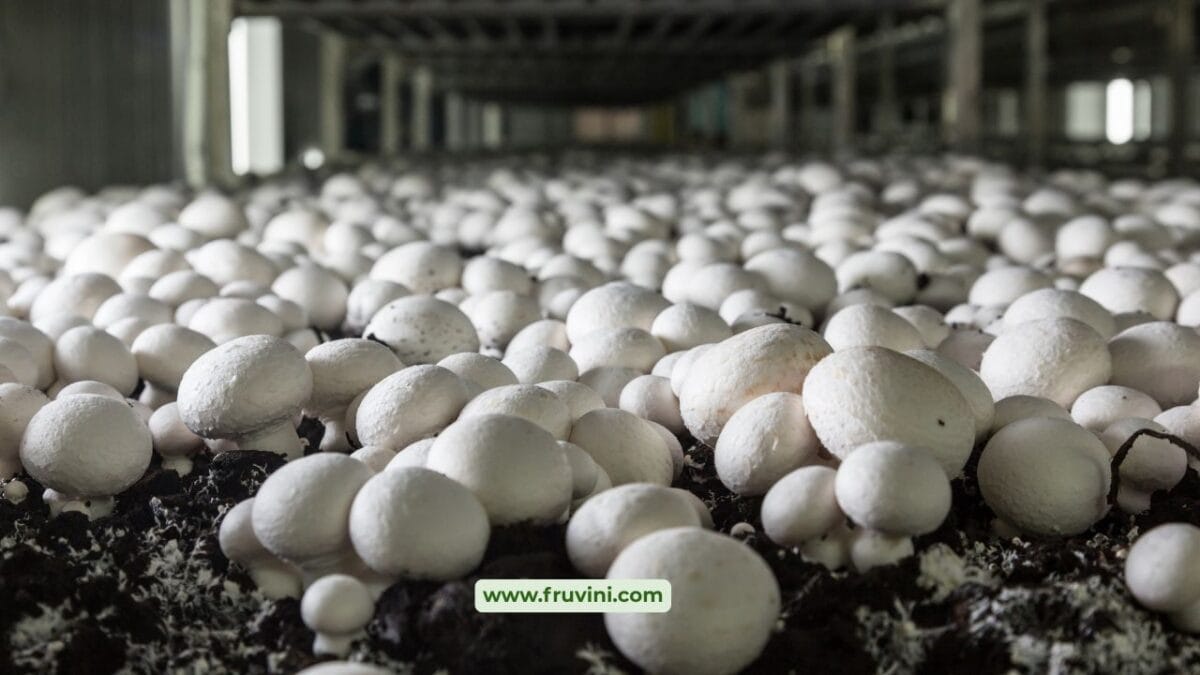
Common mistakes in mushroom farming are the biggest reason why many beginners fail—even when the process itself is simple. Most people start with excitement, but small errors in setup, hygiene, or environment quickly lead to poor yield, contamination, or complete crop failure.
The truth is, mushroom farming is not difficult—but it is very sensitive. Even minor mistakes like humidity, low-quality spawn, or poor ventilation can significantly affect your results. And without proper guidance, beginners often repeat these mistakes again and again.
The good news? Almost all of these mistakes are avoidable.
If you understand what can go wrong and how to fix it early, you can save time, reduce losses, and improve your success rate from the very first cycle. Whether you’re growing mushrooms at home or planning to start a small business, avoiding these common errors is the key to consistent results and better profits.
In this guide, we’ll break down the most common mistakes in mushroom farming, explain why they happen, and show you exactly how to avoid them—so you can grow smarter, not harder.
Why Avoiding Mistakes is Critical for Success
When it comes to common mistakes in mushroom farming, even small errors can lead to significant losses. Unlike many other types of farming, mushroom cultivation is highly sensitive to environmental conditions, hygiene, and consistency. A single mistake can affect your entire batch.
1. Direct Impact on Yield and Profit
Mistakes directly reduce your production.
- Poor conditions lead to fewer mushrooms
- Low yield means lower income
- Repeated errors reduce overall profitability
👉 Better practices = better returns
2. Risk of Contamination and Total Loss
Contamination is one of the biggest risks in mushroom farming.
- Mold and bacteria can destroy entire batches
- One infected bag can spread to others
- Leads to complete financial loss
👉 Prevention is far easier than recovery
3. Wasted Time and Effort
Every failed cycle costs you time.
- A full cycle takes 20–30 days
- Mistakes mean starting from scratch again
- Delays your learning and income
👉 Learning from mistakes early saves months of effort
4. Loss of Confidence for Beginners
Early failures can discourage new growers.
- Many beginners quit after 1–2 failed attempts
- Lack of guidance increases frustration
- Success becomes difficult without correction
👉 Right knowledge builds confidence and consistency
Key Takeaway
Avoiding common mistakes in mushroom farming is not optional—it’s essential. Success in this field is less about doing something extraordinary and more about doing the basics correctly, every single time.
Common Mistakes in Mushroom Farming (And How to Avoid Them)
Understanding the common mistakes in mushroom farming is the fastest way to improve your success rate. Most beginners fail not because the process is difficult—but because they repeat avoidable errors.
Let’s break down the most common mistakes and how you can avoid them:
1. Using Low-Quality Mushroom Spawn
Problem: Low yield, weak growth, or contamination
Why it happens: Cheap or old spawn from unreliable sources
Solution:
- Always use fresh, high-quality spawn
- Buy from trusted suppliers
- Check for strong white mycelium
👉 Good spawn is the foundation of success
2. Poor Hygiene and Cleanliness
Problem: Mold, bacteria, and crop failure
Why it happens: Dirty tools, hands, or environment
Solution:
- Maintain a clean growing area
- Use sanitized tools
- Wash hands before handling materials
👉 Hygiene is non-negotiable in mushroom farming
3. Incorrect Temperature and Humidity
Problem: Slow growth or no production
Why it happens: Lack of monitoring environmental conditions
Solution:
- Maintain temperature: 20–30°C
- Keep humidity: 70–90%
- Use simple tools to monitor
👉 Stability matters more than perfection
4. Overwatering or Underwatering
Problem: Rotting or drying of substrate
Why it happens: Poor watering practices
Solution:
- Use light misting instead of pouring water
- Keep substrate moist, not soaked
- Maintain consistent humidity
5. Poor Ventilation
Problem: Deformed mushrooms with long stems
Why it happens: Lack of fresh air
Solution:
- Ensure proper airflow
- Avoid closed, suffocating spaces
- Allow indirect ventilation
👉 Fresh air improves quality and yield
6. Starting Too Big Too Soon
Problem: High losses due to inexperience
Why it happens: Overconfidence or lack of planning
Solution:
- Start with a small setup
- Learn the process first
- Scale gradually after gaining experience
7. Ignoring Market Demand
Problem: Unsold stock and financial loss
Why it happens: No selling strategy
Solution:
- Identify buyers before production
- Sell to local markets, restaurants, or customers
- Focus on fresh and consistent supply
👉 Growing is only half the business—selling is the rest
8. Lack of Consistency and Monitoring
Problem: Inconsistent yield and poor results
Why it happens: Irregular care and monitoring
Solution:
- Check your setup daily
- Maintain consistent conditions
- Track your progress and improve
Key Takeaway
Avoiding these common mistakes in mushroom farming can significantly improve your results. Success doesn’t come from doing something complicated—it comes from doing the basics consistently right.
Key Takeaways for Successful Mushroom Farming
After understanding the common mistakes in mushroom farming, the next step is to focus on what actually leads to success. Mushroom farming is not complicated—but it requires consistency, attention, and the right approach.
Here are the key takeaways you should always remember:
1. Focus on Basics First
Success starts with doing simple things correctly.
- Maintain proper temperature and humidity
- Use clean materials and environment
- Follow the step-by-step process
👉 Strong basics = strong results
2. Quality Inputs Make a Big Difference
Your output depends on what you start with.
- Use high-quality mushroom spawn
- Prepare substrate properly
- Avoid cheap or contaminated materials
👉 Good inputs reduce risk and improve yield
3. Consistency is More Important Than Perfection
You don’t need perfect conditions—just consistent ones.
- Monitor your setup daily
- Maintain stable environment
- Avoid sudden changes
👉 Consistency leads to predictable results
4. Start Small and Scale Gradually
Growth should be gradual, not rushed.
- Begin with a small number of bags
- Learn from each cycle
- Expand only when confident
👉 Smart scaling reduces losses
5. Learn from Every Cycle
Every batch teaches you something new.
- Identify what worked and what didn’t
- Improve your process step by step
- Keep learning and adapting
👉 Experience is your biggest advantage
Key Takeaway
Avoiding common mistakes in mushroom farming is just the first step. Real success comes from consistent practice, quality inputs, and continuous improvement.
👉 Focus on progress, not perfection
Related Reading: Oyster Mushroom Cultivation Guide for Beginners
Tips to Avoid Mistakes and Improve Results
Now that you understand the common mistakes in mushroom farming, the next step is to actively prevent them. These practical tips will help you improve your results, reduce losses, and grow with confidence.
1. Always Start with a Clean Setup
Cleanliness is the foundation of successful mushroom farming.
- Disinfect your growing area regularly
- Use clean tools and materials
- Wash hands before handling spawn or substrate
👉 Clean start = fewer problems later
2. Maintain Stable Growing Conditions
Avoid sudden changes in environment.
- Keep temperature between 20–30°C
- Maintain humidity at 70–90%
- Monitor conditions daily
👉 Stability improves growth and yield
3. Use Reliable and Fresh Inputs
Your inputs determine your output.
- Buy spawn from trusted sources
- Use fresh and properly prepared substrate
- Avoid expired or contaminated materials
👉 Quality inputs reduce risk significantly
4. Follow a Routine and Monitor Daily
Consistency is key in mushroom farming.
- Check moisture levels daily
- Observe growth and changes
- Act quickly if you notice problems
👉 Small daily efforts prevent big losses
5. Plan Your Selling Before Harvest
Don’t wait until harvest to think about selling.
- Identify buyers in advance
- Build local connections (shops, restaurants)
- Sell fresh for better pricing
👉 Smart selling = better profit
6. Keep Learning and Improving
- Learn from every cycle
- Stay updated with better techniques
- Don’t repeat the same mistakes
👉 Improvement is the real growth strategy
Key Takeaway
Avoiding common mistakes in mushroom farming is not about being perfect—it’s about being aware, consistent, and proactive. Small improvements in your process can lead to big results over time.
Conclusion
Understanding and avoiding common mistakes in mushroom farming can make the difference between failure and consistent success. While mushroom cultivation is simple in theory, it requires attention to detail, proper hygiene, and stable growing conditions to achieve good results.
Most beginners fail not because they lack effort, but because they overlook small yet critical factors like spawn quality, humidity control, and cleanliness. The good news is that once you become aware of these mistakes, you can easily avoid them and improve your outcomes from the very next cycle.
Whether you are growing mushrooms at home or planning to build a small business, the key is to start small, stay consistent, and keep learning. Every cycle will teach you something new—and with each improvement, your yield and profit will grow.
👉 Focus on doing the basics right, and success will follow naturally.
FAQs on Common Mistakes in Mushroom Farming
What is the most common mistake in mushroom farming?
The most common mistake is poor hygiene, which leads to contamination and crop failure.
How can I prevent contamination in mushroom farming?
Maintain a clean environment, use pasteurized substrate, and handle materials with clean hands and tools.
Why are my mushrooms not growing properly?
This can be due to incorrect temperature, low humidity, poor spawn quality, or lack of ventilation.
Is mushroom farming difficult for beginners?
No, it is simple if you follow the correct process and avoid common mistakes.
How can I improve my mushroom yield?
Use high-quality spawn, maintain proper conditions, ensure cleanliness, and monitor your setup regularly.

Leave a Reply