
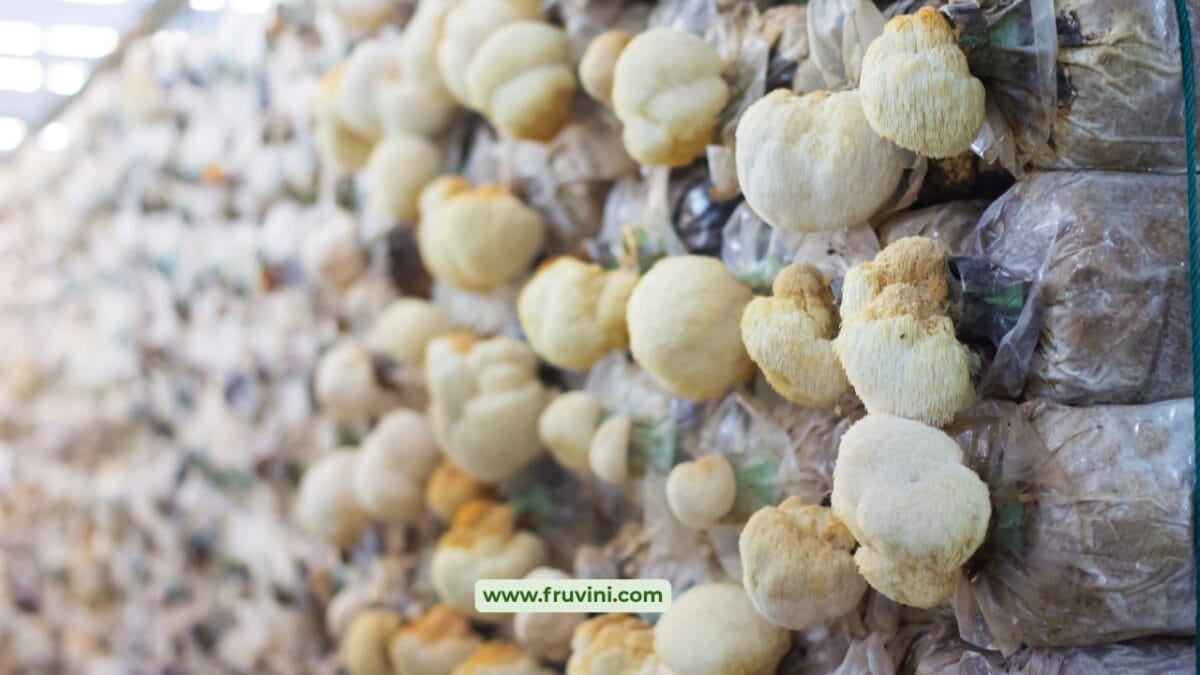
Why Contamination is the Biggest Risk in Mushroom Farming
How to prevent contamination in mushroom farming is one of the most important questions every grower must address—especially beginners. Unlike traditional crops, mushrooms are extremely sensitive to their environment, and even a small mistake in hygiene or handling can lead to contamination.
Contamination occurs when unwanted organisms like mold, bacteria, or fungi invade your growing medium. This can quickly spread across your setup, damaging or completely destroying your crop. In many cases, a single contaminated bag can affect the entire batch, leading to loss of time, effort, and money.
The challenge is that contamination is not always obvious in the early stages. By the time visible signs appear, the damage is often already done. That’s why prevention is far more effective than trying to fix the problem later.
Whether you are growing mushrooms at home or managing a controlled setup, understanding how to prevent contamination in mushroom farming is essential for achieving healthy growth, consistent yield, and long-term success.
In this guide, you’ll learn the causes of contamination, how to identify it early, and most importantly, the proven steps to prevent it effectively.
What is Contamination in Mushroom Farming?
Contamination in mushroom farming refers to the presence of unwanted microorganisms—such as mold, bacteria, or other fungi—that compete with or harm the mushroom mycelium during the growing process. If you want to truly understand how to prevent contamination in mushroom farming, you first need to recognize what contamination actually is.
In a healthy setup, mushroom mycelium grows by colonizing the substrate and eventually producing mushrooms. However, when contaminants enter the environment, they can take over the substrate, blocking or slowing down mushroom growth.
Research by the Indian Council of Agricultural Research (ICAR) highlights the importance of hygiene and proper cultivation practices in preventing crop contamination.
How Contamination Affects Mushroom Growth
- Competes with mushroom mycelium for nutrients
- Slows or completely stops growth
- Produces poor-quality or no mushrooms
- Can spread quickly to other growing bags
👉 Even a small contamination can ruin an entire batch
Common Signs of Contamination
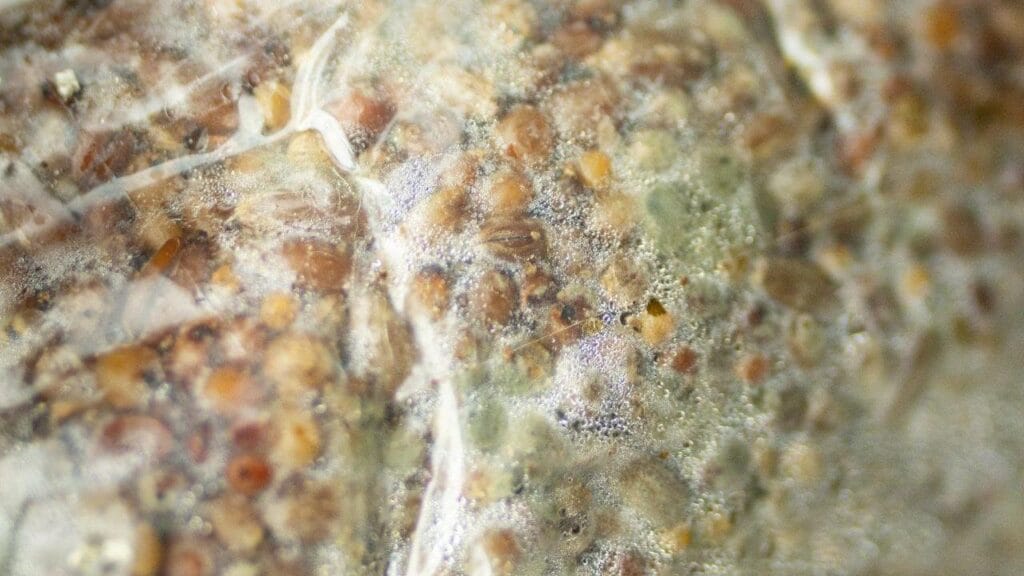
- Unusual colors (green, black, yellow patches)
- Bad or sour smell from substrate
- Slimy or overly wet texture
- Slow or no mycelium growth
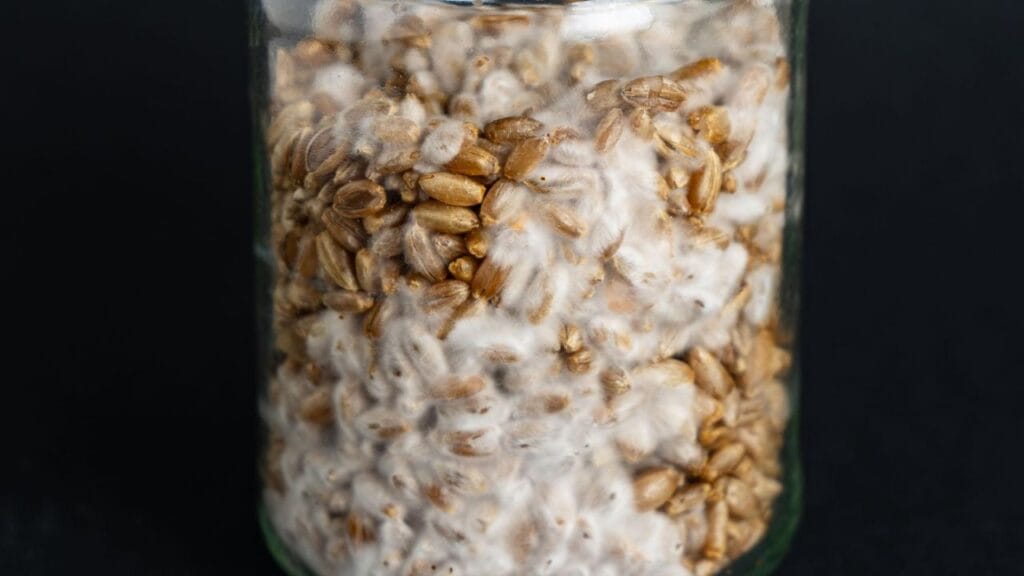
👉 Healthy mycelium is always white and clean-looking
Why It Happens
Contamination usually occurs due to:
- Poor hygiene
- Improper substrate preparation
- Low-quality spawn
- Uncontrolled environment
Key Takeaway
Contamination is the biggest hidden threat in mushroom farming. It doesn’t just reduce yield—it can completely destroy your crop if not controlled early.
👉 Understanding contamination is the first step toward preventing it
Types of Contamination in Mushroom Farming
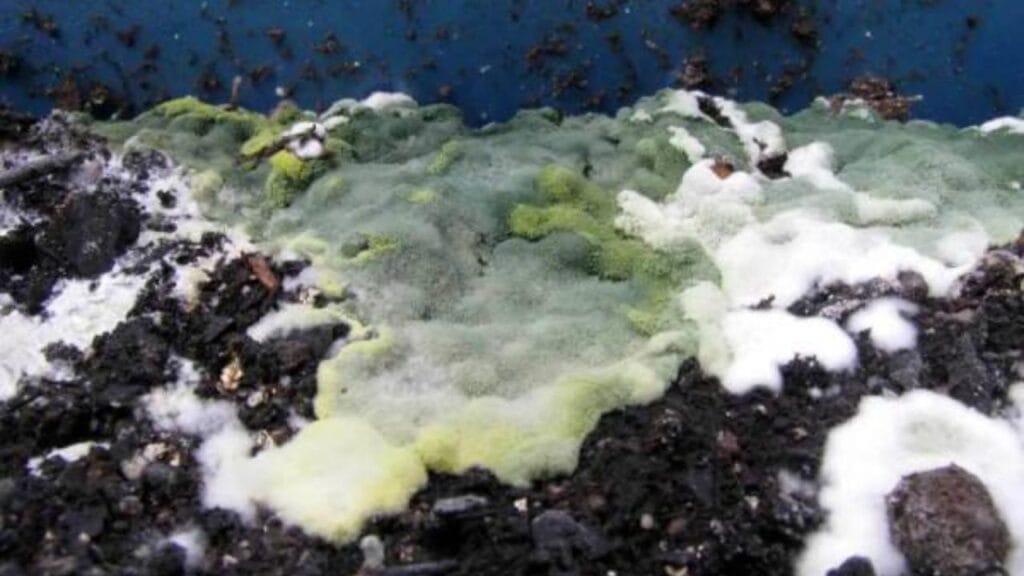
To effectively understand how to prevent contamination in mushroom farming, you must first identify the different types of contamination. Each type has its own causes, appearance, and impact on your crop.
Green Mold (Trichoderma)
This is the most common and dangerous contamination in mushroom farming.
- Appears as bright green patches on the substrate
- Spreads rapidly if not controlled
- Competes aggressively with mushroom mycelium
Main Causes:
- Poor hygiene
- Improper pasteurization
- Contaminated spawn
👉 If not removed quickly, it can destroy the entire batch
Bacterial Contamination
Often harder to detect but equally harmful.
- Substrate becomes slimy or overly wet
- Produces a foul or sour smell
- Slows down or stops mycelium growth
Main Causes:
- Excess moisture
- Poor ventilation
- Dirty handling practices
Black Mold and Other Fungi
Various unwanted fungi can appear during cultivation.
- Black, yellow, or dark-colored spots
- Irregular growth patterns
- Reduces mushroom quality and yield
Main Causes:
- Unclean environment
- Airborne spores
- Poorly maintained growing area
Key Takeaway
Different types of contamination may look different, but they all lead to the same result—reduced yield or complete crop loss. Early identification is essential to stop the spread and protect your setup.
Common Causes of Contamination
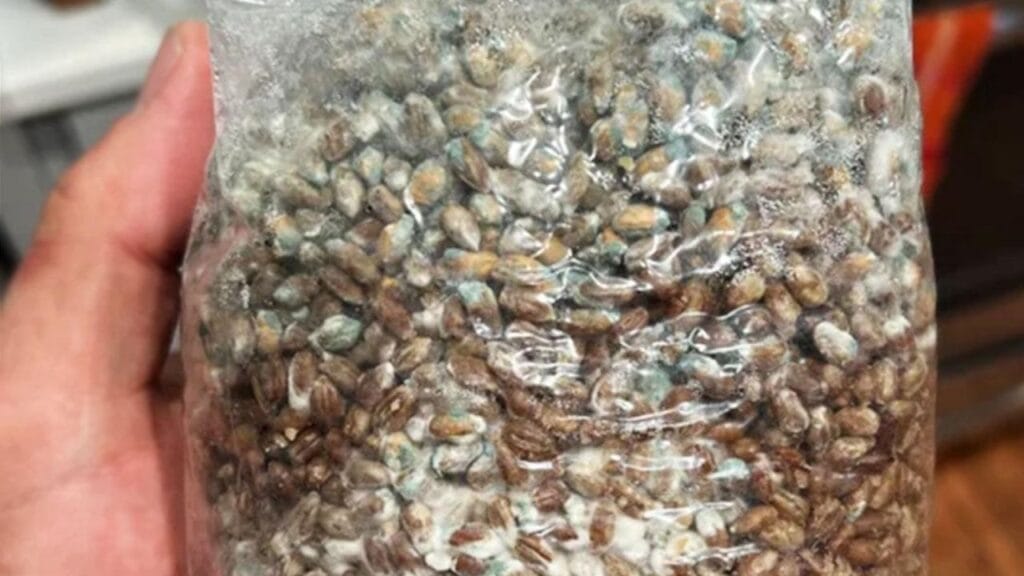
To truly master how to prevent contamination in mushroom farming, you need to understand what causes it in the first place. Most contamination issues are not random—they happen due to specific mistakes in handling, environment, or materials.
1. Poor Hygiene and Unclean Environment
Lack of cleanliness is the most common cause of contamination.
- Dust, bacteria, and mold spores enter easily
- Dirty tools and hands spread infection
- Unclean rooms increase contamination risk
👉 Hygiene is the first line of defense
2. Low-Quality or Contaminated Spawn
Your entire crop depends on spawn quality.
- Contaminated spawn spreads infection quickly
- Weak mycelium struggles to compete
- Leads to poor or failed growth
👉 Always use fresh and reliable spawn
3. Improper Substrate Preparation
Substrate must be properly cleaned before use.
- Incomplete pasteurization allows bacteria to survive
- Dirty substrate introduces contaminants
- Incorrect moisture levels increase risk
👉 Proper preparation is critical
4. Excess Moisture and Overwatering
Too much water creates a breeding ground for bacteria.
- Leads to slimy substrate
- Encourages bacterial growth
- Reduces oxygen availability
👉 Keep moisture balanced, not excessive
5. Poor Ventilation and Airflow
Lack of fresh air increases contamination risk.
- CO₂ buildup affects growth
- Stale air encourages mold growth
- Weakens mushroom development
👉 Fresh air is essential for healthy growth
6. Inconsistent Temperature and Humidity
Unstable conditions stress the mycelium.
- Weak mycelium becomes vulnerable
- Contaminants grow faster in unstable conditions
- Leads to uneven growth
👉 Stability is key to prevention
Key Takeaway
Most contamination problems are caused by poor hygiene, bad inputs, or uncontrolled conditions. Once you fix these basics, you can prevent the majority of issues in mushroom farming.
👉 Prevention starts with understanding the cause
How to Prevent Contamination in Mushroom Farming (Step-by-Step)
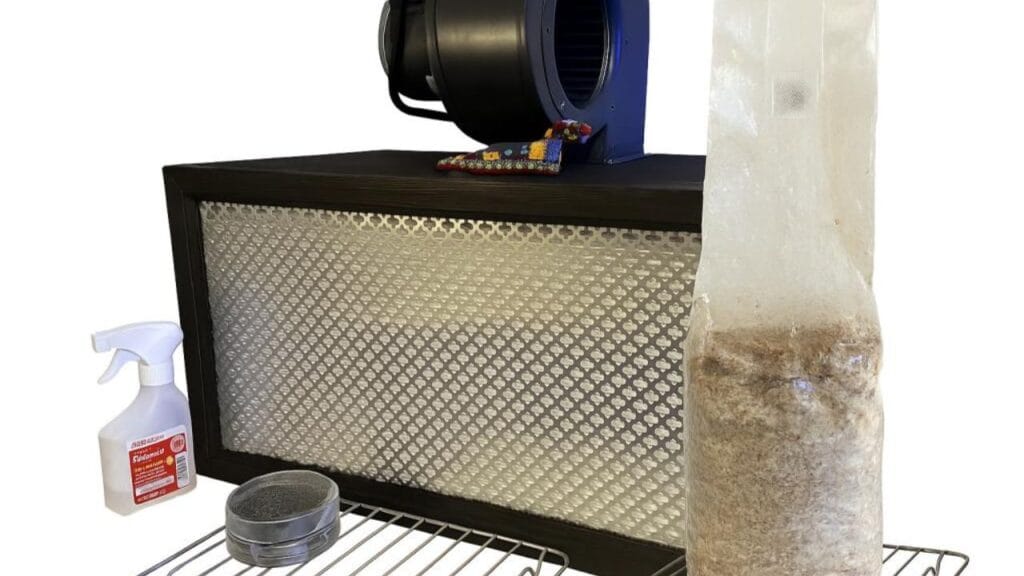
If you want consistent results, learning how to prevent contamination in mushroom farming is essential. The key is not just one step—but a combination of good practices followed consistently.
1. Maintain a Clean Growing Environment
Cleanliness is your first and strongest defense.
- Clean the growing area regularly
- Remove dust and waste materials
- Use disinfectants when needed
👉 A clean setup reduces contamination risk drastically
2. Use High-Quality Mushroom Spawn
Good spawn ensures strong and healthy growth.
- Always buy from trusted sources
- Check for fresh, white mycelium
- Avoid old or infected spawn
👉 Strong mycelium can resist contamination better
3. Properly Pasteurize or Sterilize Substrate
This step kills harmful microorganisms.
- Use hot water or steam treatment
- Ensure complete pasteurization
- Let substrate cool before use
👉 Skipping this step increases contamination risk
4. Control Temperature and Humidity
Stable conditions support healthy growth.
- Maintain temperature between 20–30°C
- Keep humidity around 70–90%
- Avoid sudden changes
👉 Stability protects against contamination
Maintaining a stable setup plays a crucial role in reducing contamination risks, which is why many growers prefer controlled environment mushroom farming for better consistency and hygiene.
5. Ensure Proper Ventilation
Fresh air reduces the risk of mold and bacteria.
- Install ventilation or exhaust fans
- Avoid closed, stagnant spaces
- Maintain airflow without strong wind
👉 Good airflow improves both growth and hygiene
6. Avoid Overwatering
Too much moisture encourages contamination.
- Use light misting instead of heavy watering
- Keep substrate moist, not wet
- Monitor humidity levels
👉 Balance is key
7. Handle Materials with Clean Hands and Tools
Contamination often spreads through handling.
- Wash hands before working
- Use clean tools and equipment
- Avoid unnecessary contact with substrate
👉 Small habits make a big difference
Key Takeaway
Preventing contamination is not about one action—it’s about maintaining cleanliness, consistency, and control at every step. If you follow these practices regularly, you can significantly reduce the risk of crop failure.
Signs of Contamination You Should Never Ignore
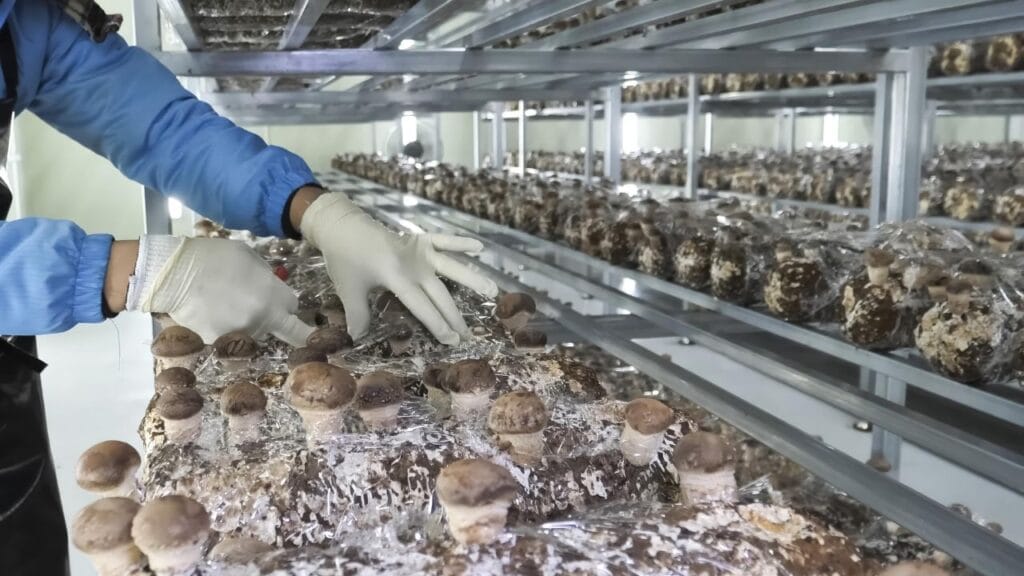
Even if you follow all the steps on how to prevent contamination in mushroom farming, it’s still important to monitor your setup regularly. Early detection can help you control the problem before it spreads.
Here are the key warning signs you should never ignore:
1. Unusual Colors on the Substrate
Healthy mycelium is always white.
- Green patches → mold (Trichoderma)
- Black or dark spots → fungal contamination
- Yellow or orange → bacterial issues
👉 Any color other than white is a warning sign
2. Bad or Sour Smell
A healthy setup should have a neutral or earthy smell.
- Sour or rotten odor indicates bacterial growth
- Strong unpleasant smell = contamination
👉 Trust your sense of smell—it’s a strong indicator
3. Slimy or Overly Wet Substrate
Excess moisture creates the perfect environment for bacteria.
- Sticky or slimy texture
- Waterlogged substrate
- Reduced airflow inside bags
👉 Overwatering is a common cause
4. Slow or No Mycelium Growth
Healthy mycelium spreads quickly and evenly.
- Delayed growth indicates contamination or weak spawn
- Patchy or uneven colonization
👉 Growth delay is an early warning sign
5. Deformed or Poor Mushroom Growth
Contamination affects the final output.
- Small or weak mushrooms
- Irregular shapes
- Reduced yield
👉 Poor output often starts with hidden contamination
Key Takeaway
Early detection is just as important as prevention. The sooner you identify contamination, the easier it is to control and prevent it from spreading.
👉 Regular monitoring can save your entire crop
What to Do If Contamination Occurs
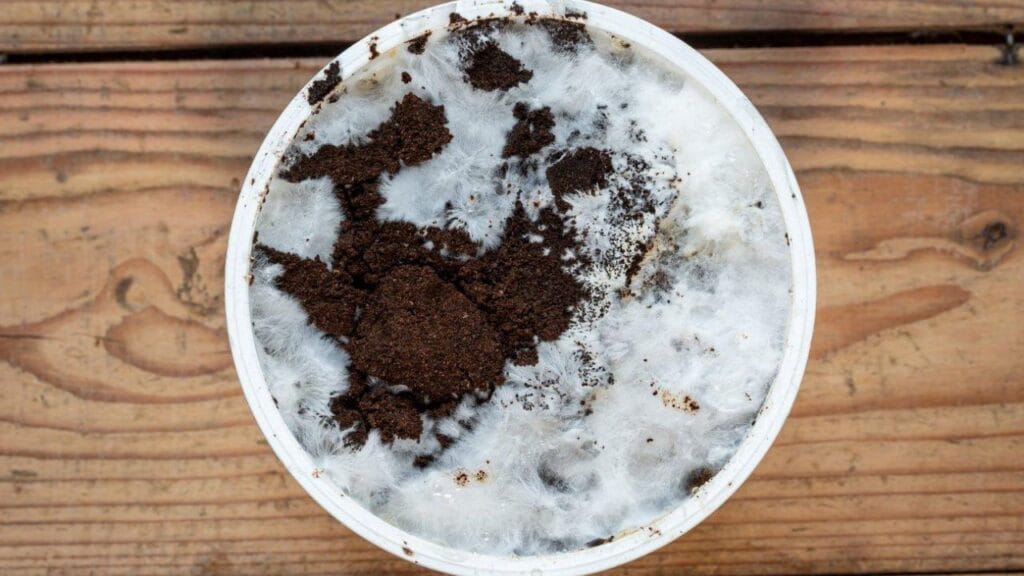
Even if you follow all the steps on how to prevent contamination in mushroom farming, contamination can still happen occasionally. The key is to act quickly and prevent it from spreading to the rest of your setup.
1. Identify and Isolate the Contaminated Bags Immediately
Act as soon as you notice signs of contamination.
- Remove infected bags from the growing area
- Keep them away from healthy batches
- Avoid touching other bags after handling contaminated ones
👉 Quick isolation prevents spread
2. Safely Dispose of Contaminated Material
Do not keep contaminated material nearby.
- Seal infected bags properly
- Dispose of them away from your farm
- Do not reuse contaminated substrate
👉 Never take risks with infected material
3. Clean and Disinfect the Growing Area
Sanitize everything that may have been exposed.
- Clean racks, tools, and surfaces
- Use disinfectants if needed
- Maintain proper hygiene practices
👉 Cleaning stops further contamination
4. Check Nearby Bags and Monitor Closely
Contamination spreads quickly, so stay alert.
- Inspect surrounding bags carefully
- Watch for early signs (color, smell, texture)
- Remove any suspicious bags immediately
👉 Early action saves healthy batches
5. Review and Fix the Root Cause
Don’t just remove the problem—fix the cause.
- Check hygiene practices
- Review substrate preparation
- Adjust temperature and humidity
- Evaluate spawn quality
👉 Prevention starts with learning from mistakes
Key Takeaway
Contamination is not the end—it’s a learning opportunity. Acting quickly and correcting the root cause can protect your future batches and improve your overall success rate.
👉 Fast action + smart correction = minimal loss
Best Practices to Keep Your Mushroom Farm Contamination-Free
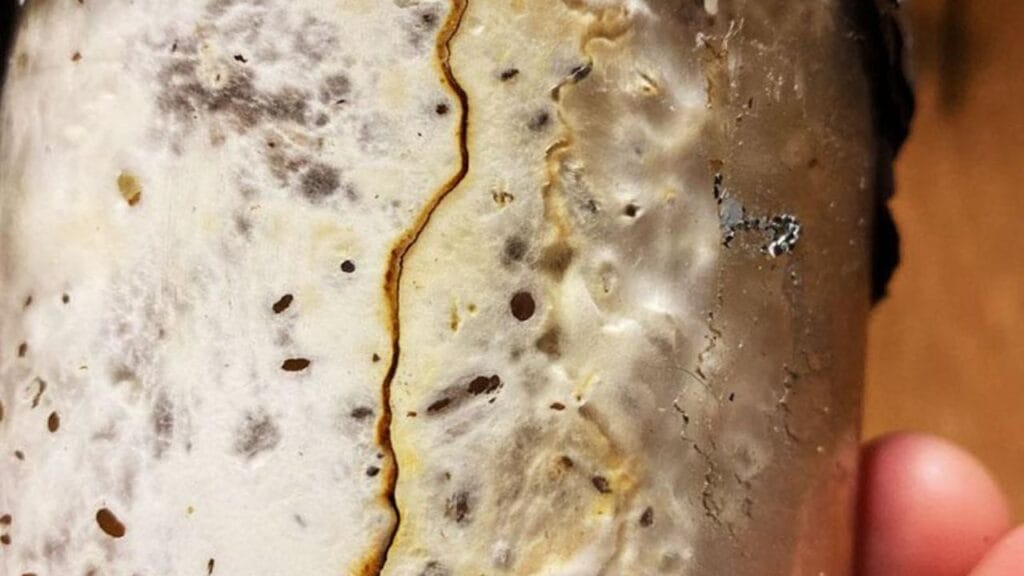
If you want long-term success, learning how to prevent contamination in mushroom farming is not a one-time effort—it’s about following the right practices consistently. These best practices will help you maintain a clean and productive farming system.
1. Follow a Clean Workflow Every Day
Consistency in hygiene is essential.
- Start with clean hands and tools
- Work in a clean and organized space
- Avoid unnecessary movement inside the growing area
👉 Discipline reduces contamination risk
2. Maintain a Controlled Environment
Stable conditions protect your crop.
- Keep temperature and humidity consistent
- Avoid sudden environmental changes
- Use basic monitoring tools
👉 Controlled conditions = safer growth
3. Use Quality Inputs Every Time
Never compromise on materials.
- Use fresh and reliable spawn
- Prepare substrate properly
- Avoid contaminated or old inputs
👉 Quality inputs reduce risk significantly
4. Monitor Your Setup Regularly
Early detection is key.
- Check bags daily for unusual signs
- Observe growth patterns
- Act immediately if something looks wrong
👉 Small checks prevent big losses
5. Keep Your Farm Well-Ventilated
Airflow plays a major role in contamination control.
- Ensure proper ventilation
- Avoid stale or humid air buildup
- Maintain fresh air exchange
👉 Fresh air supports healthy growth
6. Learn and Improve After Every Cycle
- Identify what worked and what didn’t
- Improve hygiene and process each time
- Avoid repeating the same mistakes
👉 Experience is your biggest advantage
Key Takeaway
Keeping your mushroom farm contamination-free is about consistency, cleanliness, and control. When you follow these best practices daily, contamination becomes rare and manageable.
👉 Good habits create reliable results
Tips for Beginners to Avoid Contamination
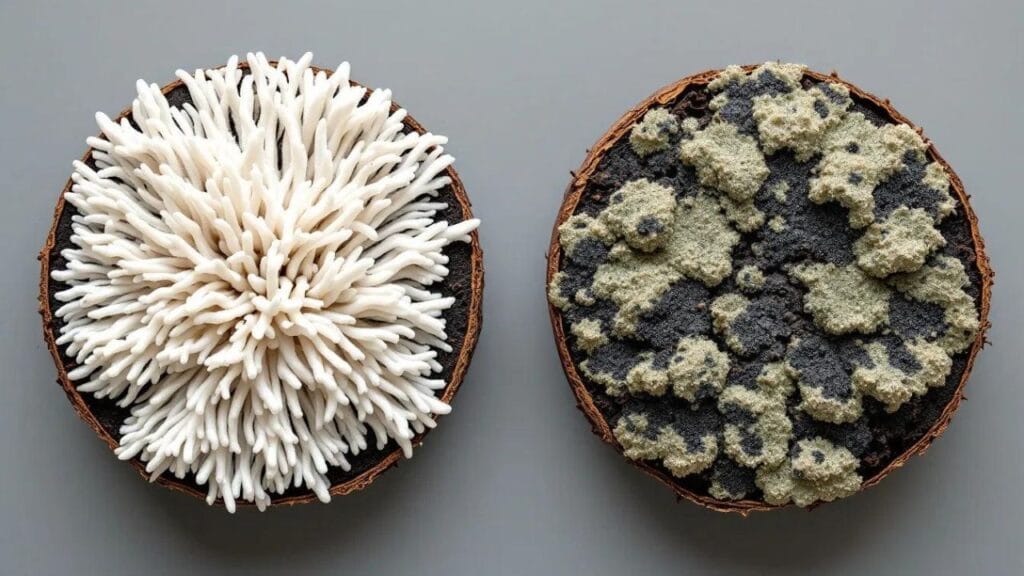
If you’re just starting out, learning how to prevent contamination in mushroom farming can feel overwhelming. The truth is—you don’t need a perfect setup, you just need to follow a few simple habits consistently.
1. Start Small and Learn the Basics
Don’t try to scale too quickly.
- Begin with a small number of bags
- Focus on learning the process
- Understand how mushrooms grow
👉 Small setup = lower risk + better learning
2. Focus on Cleanliness from Day One
Clean habits prevent most problems.
- Wash hands before handling materials
- Keep your growing area clean
- Avoid touching substrate unnecessarily
👉 Hygiene is your biggest advantage
3. Use Ready Guidance Instead of Guesswork
Avoid trial-and-error in the beginning.
- Follow proven methods and guides
- Learn from experienced growers
- Stick to step-by-step processes
👉 Guidance reduces mistakes
4. Monitor Your Setup Daily
Regular observation helps early detection.
- Check for color changes or smell
- Watch growth progress
- Take action immediately if needed
👉 Daily checks save your crop
5. Don’t Overcomplicate the Setup
Keep things simple in the beginning.
- Use basic tools and materials
- Avoid unnecessary equipment
- Focus on understanding the process
👉 Simplicity reduces errors
Key Takeaway
For beginners, success in mushroom farming comes from simple habits done consistently. You don’t need perfection—just cleanliness, attention, and patience.
👉 Start simple, stay consistent, and improve gradually
Many of these issues are caused by simple errors, and understanding these common mistakes in mushroom farming can help you avoid contamination from the start.
How Fruvini Helps You Reduce Contamination Risks
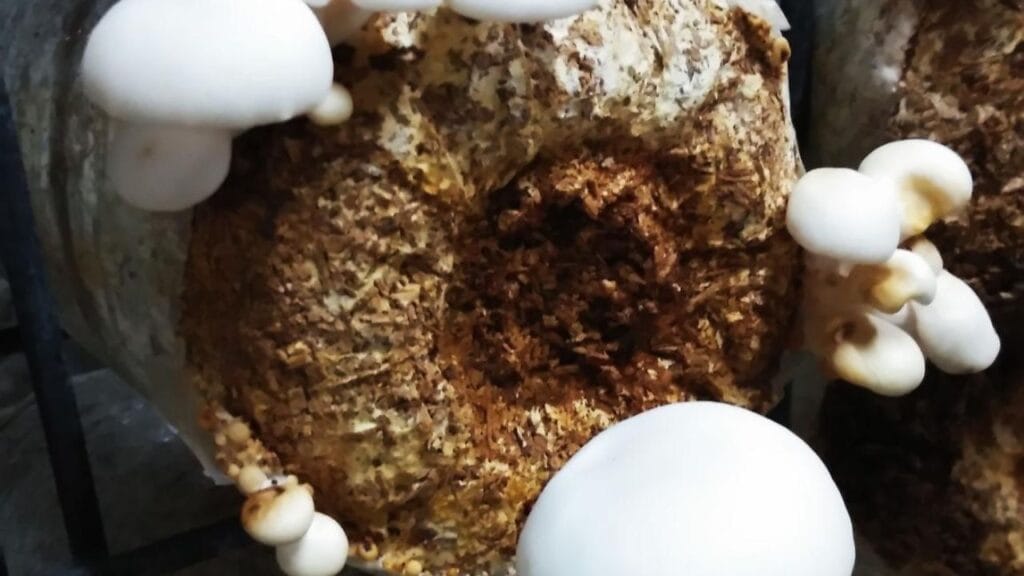
Preventing contamination becomes much easier when you have the right inputs and guidance. While learning how to prevent contamination in mushroom farming, having reliable support can make a significant difference—especially for beginners.
1. High-Quality Mushroom Spawn
The quality of spawn plays a major role in preventing contamination.
- Strong and healthy mycelium growth
- Reduced risk of infection
- Better resistance against contaminants
👉 Good spawn is your first protection layer
2. Beginner-Friendly Guidance
Proper guidance helps you avoid common mistakes.
- Step-by-step cultivation support
- Practical tips to maintain hygiene
- Easy-to-follow methods for beginners
👉 Right knowledge prevents costly errors
3. Reliable Farming Inputs and Supplies
Using the right materials ensures better control.
- Clean and suitable farming supplies
- Materials designed for mushroom cultivation
- Helps maintain a hygienic growing environment
4. Support for Consistent and Scalable Farming
As you grow, maintaining hygiene becomes more important.
- Guidance for scaling your setup
- Tips to maintain consistency
- Support for improving efficiency
👉 Grow with confidence and control
Key Takeaway
Fruvini supports your journey by providing quality inputs and practical guidance, helping you reduce contamination risks and achieve better results.
👉 With the right support, prevention becomes much easier
Conclusion
Understanding how to prevent contamination in mushroom farming is essential for achieving consistent yield and long-term success. While contamination is one of the biggest challenges in mushroom cultivation, it is also one of the most preventable problems when you follow the right practices.
Most contamination issues arise from simple mistakes—poor hygiene, low-quality inputs, improper substrate preparation, or unstable growing conditions. By focusing on cleanliness, using reliable materials, and maintaining a controlled environment, you can significantly reduce the risk.
The key is consistency. Small daily habits like monitoring your setup, maintaining hygiene, and acting quickly when issues arise can make a huge difference in your results.
Whether you are a beginner or planning to scale your mushroom farming operation, prevention should always be your priority.
👉 Focus on doing the basics right, and your chances of success will increase dramatically.
FAQs on Contamination in Mushroom Farming
What causes contamination in mushroom farming?
Contamination is usually caused by poor hygiene, low-quality spawn, improper substrate preparation, excess moisture, and poor ventilation.
How can I prevent contamination in mushroom farming?
Maintain cleanliness, use quality spawn, properly pasteurize substrate, control temperature and humidity, and monitor your setup regularly.
Can contaminated mushrooms be used or sold?
No, contaminated mushrooms should never be consumed or sold, as they may be unsafe.
What is green mold in mushroom farming?
Green mold (Trichoderma) is a common contamination that appears as green patches and spreads quickly, damaging the crop.
How do I identify contamination early?
Look for unusual colors, bad smell, slimy texture, or slow mycelium growth—these are early warning signs.

Leave a Reply